Seoul Korea Population and Demographics in 2026 Explained
7/28/2026
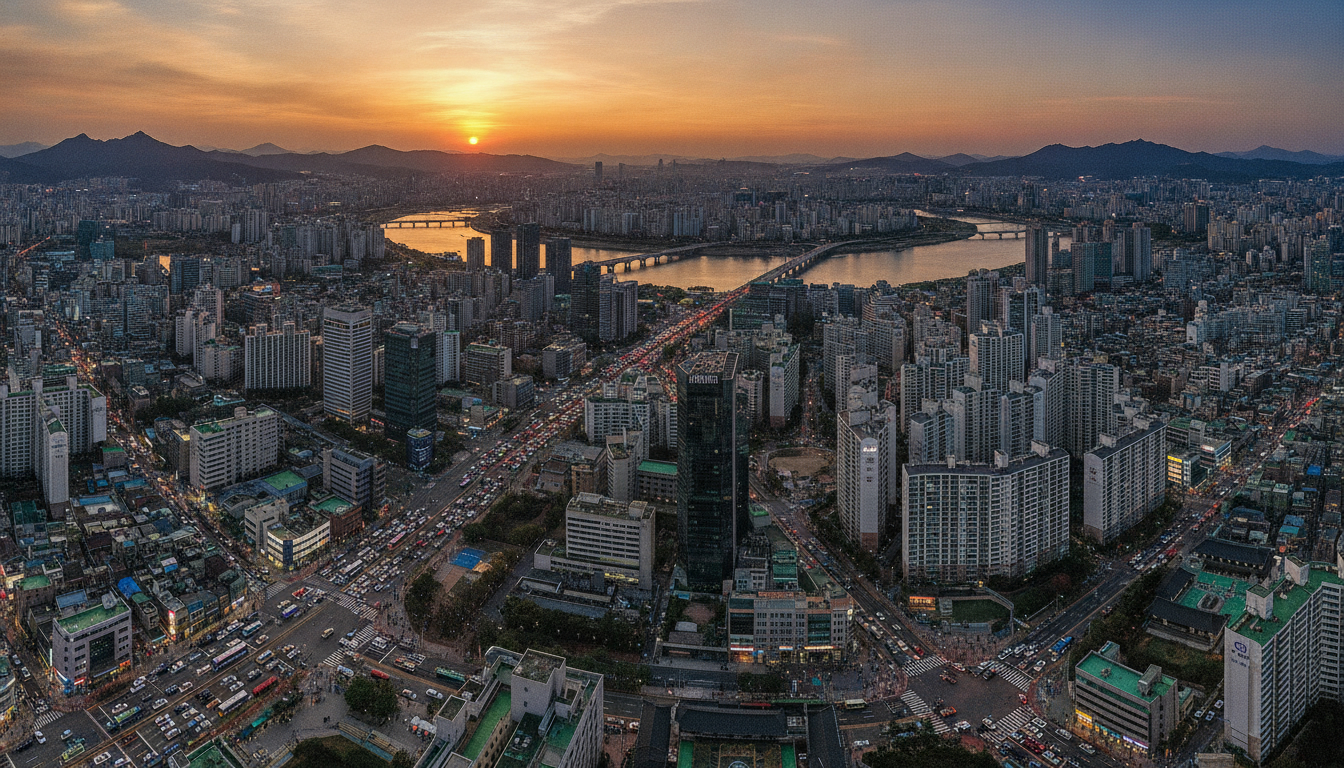
In short, what you'll discover in this article: The current population of Seoul, South Korea, its density, demographic breakdown, and recent trends. Learn how Seoul compares to other major cities and what factors shape its urban landscape today.
1. Overview of Seoul's Population
Seoul, the vibrant capital of South Korea, is home to millions and serves as a cultural, economic, and political hub. Understanding the population size and demographics of Seoul is essential for travelers, planners, and anyone curious about the city’s scale and livability.
As of 2026, Seoul's population remains one of the largest in Asia, reflecting its importance on both a national and global stage.
2. Key Current Figures
2.1 Total Population (Reference Year and Source)
The population of Seoul stood at approximately 9.6 million residents in 2026 according to Wikipedia’s latest update. The official Seoul Metropolitan Government reported a figure close to 9.58 million in early 2026, confirming a slight decline from previous years (source). This number reflects the city proper and excludes the broader metropolitan area.
2.2 Population Density (Residents per km²)
Seoul is known for its high population density, with roughly 16,000 inhabitants per square kilometer in many districts. This density ranks among the highest worldwide for major cities, contributing to its bustling urban environment and efficient public transportation system.
2.3 Recent Population Growth Trends
After peaking at over 10 million around 2014, Seoul has experienced a gradual population decline at an annual rate influenced by factors such as housing costs and demographic shifts. Over the past decade, the Seoul population growth rate has slowed or slightly reversed, reflecting broader trends in South Korea’s urban dynamics.
3. Demographic Breakdown
3.1 Distribution by District (Gu)
Seoul is divided into 25 administrative districts called gu. The most populous districts include Gangnam-gu and Songpa-gu, known for their residential density and commercial activity.
Population distribution varies widely: some districts are densely packed with high-rise apartments while others have more open spaces.
3.2 Age and Gender Composition
The demographics of Seoul Korea show an aging population trend consistent with national patterns. The city has a balanced gender ratio but faces challenges related to an increasing elderly population and declining birth rates.
3.3 Nationality and Expatriate Communities
Seoul hosts a significant number of expatriates and foreign residents, comprising around 5% of the total population. These communities are often concentrated in neighborhoods like Itaewon and areas near universities or international business districts.
4. Factors Influencing Seoul’s Demography
4.1 Urbanization and Internal Migration
Seoul’s growth historically benefited from rural-to-urban migration as people sought opportunities in education, employment, and modern amenities. Although this trend has slowed recently due to saturation and rising living costs, it shaped much of the city’s current population structure.
4.2 Housing Policies and Real Estate Prices
Soaring housing prices have impacted the number of residents in Seoul, leading some to move to suburban areas or satellite cities. Government policies aimed at increasing affordable housing are ongoing but have yet to reverse the population decline fully.
4.3 Employment, Education, and Economic Appeal
Seoul remains South Korea’s economic powerhouse with abundant job opportunities and educational institutions attracting young adults nationwide. This economic attractiveness helps maintain a stable urban population despite demographic challenges.
5. Consequences and Urban Challenges
5.1 Infrastructure and Transportation
High population density in Seoul demands efficient infrastructure systems. The city boasts one of the world’s most extensive subway networks that supports millions daily, easing congestion despite dense living conditions.
5.2 Housing and Urban Density Management
Managing limited space is a constant challenge for Seoul’s planners who balance vertical growth with quality of life concerns like green spaces and community facilities.
5.3 Social Services and Healthcare for an Aging Population
An aging demographic increases demand for healthcare services and social support systems within the city, prompting policy adjustments focused on elder care.
6. Comparisons and Context
6.1 Comparison with Other Major Asian Cities
While Tokyo’s metropolitan area exceeds 37 million people, Seoul’s metro area population is estimated at about 22 million, making it one of Asia's largest urban agglomerations (source). Compared to Shanghai or Beijing, Seoul is smaller but denser in its core city limits.
6.2 Proportion Relative to South Korea’s National Population
Seoul accounts for roughly 18-20% of South Korea's total population of about 51 million people, highlighting its role as a central urban hub within the country.
7. Future Projections and Trends
7.1 Growth or Decline Scenarios
Experts predict that Seoul's population will either stabilize or continue a slow decline unless significant policy changes occur regarding housing affordability and family support programs.
7.2 Influencing Factors Moving Forward
Key factors include migration patterns, birth rates, economic shifts, and government interventions aimed at revitalizing urban living conditions.
8. Sources and Methodology
This article synthesizes data from official sources including the Seoul Metropolitan Government as well as reputable demographic databases like Wikipedia and Worldometers to provide an accurate snapshot of current trends.
If you're planning a trip to Seoul or simply curious about its size compared to other cities you know, understanding these population statistics for Seoul can help you anticipate how crowded it might feel or how urban life is structured there.
For travelers interested in staying connected during their visit to South Korea's capital city, exploring options like eSIM data plans can be very useful. You can find detailed guides on how to get eSIM in South Korea or compare offers tailored for visitors on eSIM South Korea.
9. Conclusion
Seoul's population currently hovers around 9.6 million residents within city limits with a metropolitan area exceeding 22 million people. Its high density reflects both urban vibrancy and challenges like housing affordability and aging demographics.
Understanding these trends offers valuable insight into what life in this dynamic city looks like today—and tomorrow.
For seamless connectivity while exploring Seoul or other parts of South Korea, consider checking out competitive eSIM plans through trusted platforms like MyBestSim to find the best deals with verified promo codes ensuring you stay online without roaming fees throughout your trip.
FAQ
What is the current population of Seoul, South Korea?
As of 2024, Seoul's population is approximately 9.6 million residents within the city limits. The metropolitan area has about 22 million people, making it one of Asia's largest urban centers.
How dense is Seoul compared to other major cities?
Seoul has a very high population density, with around 16,000 inhabitants per square kilometer in many districts. This density ranks among the highest worldwide for major cities, contributing to its vibrant urban environment.
What recent trends affect Seoul's population growth?
Seoul's population peaked around 2014 and has since experienced a gradual decline due to factors like high housing costs and demographic shifts, including an aging population and lower birth rates.
Which districts in Seoul are the most populated?
Gangnam-gu and Songpa-gu are among the most populous districts in Seoul, known for their dense residential areas and commercial activity. Population distribution varies widely across the city's 25 districts.
How does Seoul's population compare to South Korea's total population?
Seoul accounts for roughly 18-20% of South Korea's total population of about 51 million people, highlighting its role as the country's central urban hub.

Jiwon Park
Jiwon is a Seoul-based travel and technology writer who has tested eSIMs across South Korea and Asia. At Korea eSIM she compares travel data plans on SK Telecom, KT and LG U+ and helps visitors stay online affordably from Seoul to Jeju.