How to Use eSIM Data Plans for Jeju Islands South Korea Travel
7/29/2026
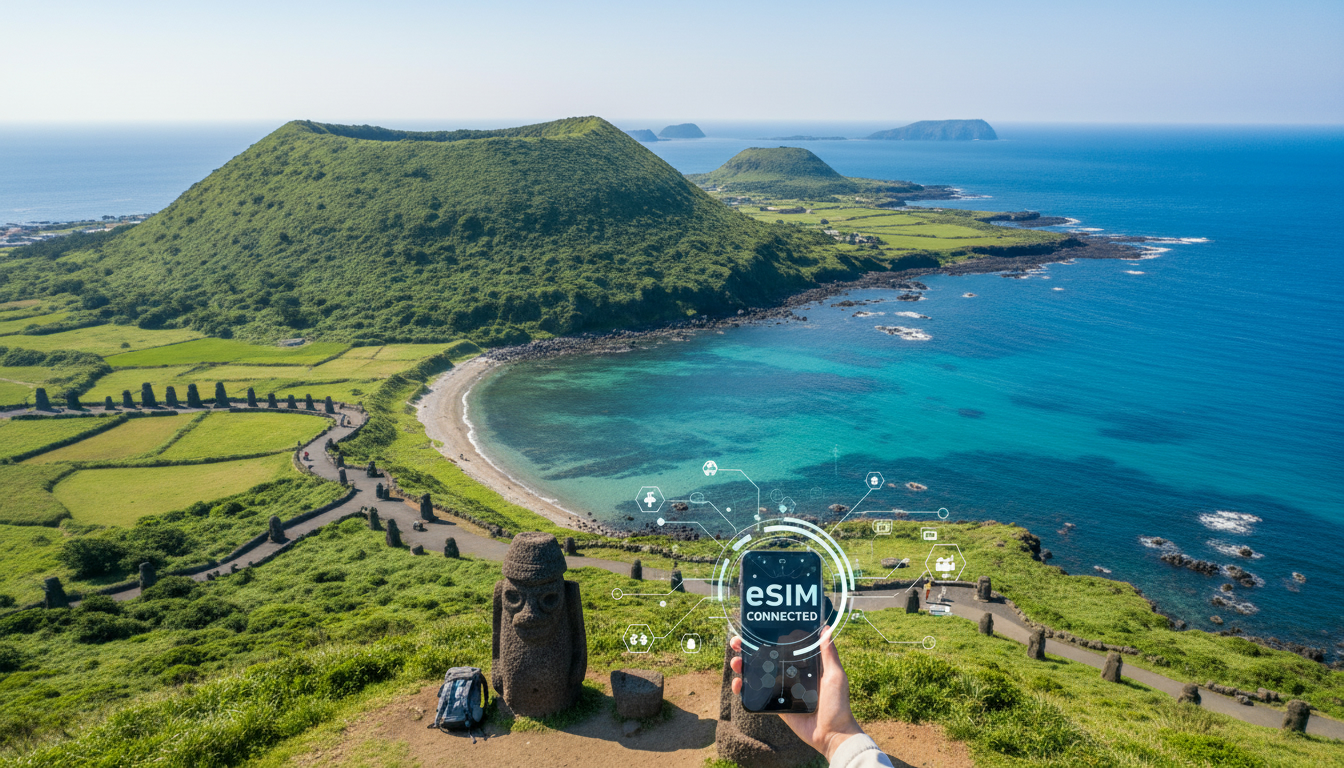
In short, what you'll discover in this article: Explore why Jeju Islands South Korea is a must-visit destination with its unique volcanic landscapes, pristine beaches, and rich culture. Get practical travel tips, top attractions, local cuisine insights, and advice on staying connected with the best eSIM data plans for your trip.
1. Introduction — Why Visit Jeju Islands, South Korea
Jeju Islands South Korea offers a unique blend of natural beauty and cultural richness that sets it apart from other destinations. Known for its volcanic origins, stunning coastal scenery, and vibrant local traditions, Jeju provides a perfect getaway for travelers seeking relaxation and adventure alike.
Whether you're drawn by the island’s UNESCO-listed geological sites or its famous seafood cuisine, Jeju promises an unforgettable experience.
2. Essential Practical Information
2.1 Where Is Jeju and How to Get There (Flights, Ferries)
Jeju Island lies about 50 miles south of the Korean Peninsula and is accessible via direct flights from Seoul and other major cities in South Korea. The island’s international airport connects travelers efficiently to the mainland.
Alternatively, ferries operate between Jeju and ports like Busan or Mokpo, offering scenic sea routes.
2.2 Best Time to Visit and Climate
The best time to visit Jeju is during spring (April to June) and autumn (September to November) when the weather is mild and pleasant. Summers can be hot and humid, while winters are cooler but still mild compared to mainland Korea.
2.3 Currency, Language, Safety, and Health
The local currency is the South Korean won (KRW). Korean is the official language; however, English signage is common in tourist areas.
Jeju is considered very safe for travelers with good healthcare facilities available on the island.
3. Getting Around the Island
3.1 Car Rental vs Public Transport
Renting a car is highly recommended for exploring Jeju Island at your own pace since public transport options can be limited outside main towns. A rental car allows access to remote beaches and hiking trails conveniently.
3.2 Ferries and Inter-Island Connections
Ferries connect Jeju to nearby smaller islands, providing opportunities for day trips or extended exploration of the region’s diverse coastal environments.
4. Top Must-See Attractions
4.1 Seongsan Ilchulbong (Sunrise Peak)
Seongsan Ilchulbong is a volcanic crater famous for spectacular sunrises. The best time to visit is early morning when you can capture breathtaking photos of the sun rising over the ocean from this UNESCO World Heritage site.
4.2 Hallasan National Park
Home to South Korea’s highest mountain, Hallasan offers several hiking trails ranging from easy walks to challenging climbs. The hike duration varies from a few hours to full-day treks depending on your chosen path.
4.3 Manjanggul Cave & Geological Sites (UNESCO)
Manjanggul Cave is one of the longest lava tubes in the world and part of Jeju’s volcanic landscape recognized by UNESCO. Exploring this natural wonder reveals fascinating geological formations formed millions of years ago.
5. Beaches and Coastal Activities
5.1 Recommended Beaches (Hyeopjae, Jungmun, Hamdeok)
Jeju boasts some of the best beaches in South Korea:
- Hyeopjae Beach: Known for its white sand and clear turquoise waters.
- Jungmun Beach: Popular for surfing and water sports.
- Hamdeok Beach: Family-friendly with shallow waters ideal for swimming.
5.2 Activities (Diving, Boat Tours, Dawn Watching)
Visitors can enjoy diving among vibrant marine life, take boat tours around the island’s coastline, or experience peaceful dawn watching at scenic spots like Seongsan Ilchulbong.
6. Culture and Cuisine
6.1 Haenyeo — Traditional Female Divers and Museums
Jeju’s Haenyeo are legendary female divers who harvest seafood without breathing apparatuses—a unique cultural heritage celebrated in local museums where visitors can learn about their history and lifestyle.
6.2 Culinary Specialties to Try (Black Pork, Seafood, Jeju Teas)
Jeju cuisine features distinctive flavors such as black pork barbecue, fresh seafood dishes including abalone and sea urchin, and traditional teas made from local herbs that complement your culinary adventure.
7. Recommended Itineraries
7.1 One Day — Top Highlights
- Morning hike at Seongsan Ilchulbong
- Lunch featuring black pork
- Afternoon visit to Manjanggul Cave
- Sunset at Hyeopjae Beach
7.2 Three Days — Balanced Itinerary
- Day 1: Explore Hallasan National Park trails
- Day 2: Cultural tour including Haenyeo museum + seafood market
- Day 3: Beach day at Jungmun + boat tour
7.3 Five to Seven Days — Full Immersion
Extend your stay with additional hikes, visits to waterfalls like Cheonjiyeon Falls, local festivals participation, and sampling various regional dishes while relaxing at a Jeju Island resort.
8. Unique Experiences / Local Insights
8.1 Ecotourism and Sustainable Initiatives
Jeju promotes sustainable tourism through eco-friendly accommodations and conservation projects protecting its unique ecosystems such as alpine forests and coastal habitats.
8.2 Themed Itineraries (Hiking, Foodie Tours, Family-Friendly)
Choose themed trips tailored to your interests—whether hiking enthusiasts want challenging routes or families seek gentle nature walks combined with cultural experiences.
9. Budget and Accommodation Options
9.1 Budget / Mid-Range / Luxury Options
Jeju offers accommodations ranging from affordable guesthouses to mid-range hotels and luxury resorts with ocean views—ensuring options fit every travel budget.
10. Practical Tips for Travelers
10.1 Tips to Avoid Crowds & Best Times for Each Site
Visit popular spots early in the morning or late afternoon to avoid peak crowds; weekdays are generally less busy than weekends.
10.2 Pre-Departure Checklist (Documents, Apps, Gear)
Prepare essential documents like passport and travel insurance; download useful apps including maps and translation tools; pack comfortable hiking shoes and weather-appropriate clothing.
11. Staying Connected With eSIM Data Plans on Jeju Island
For seamless connectivity during your trip to Jeju Islands South Korea, consider using an eSIM data plan tailored for South Korea travelers. The compatibility of smartphones with eSIMs allows instant activation without swapping physical SIM cards—ideal for tourists wanting reliable internet access on the go.
Providers like Roamic offer unlimited data plans with promo codes such as MYBESTSIM that can save you money while ensuring strong coverage across Jeju Island’s main attractions (see esim-korea.com/esim-south-korea). This way, you can easily navigate routes, translate menus instantly, or share your travel moments online without roaming fees.
12. Conclusion and Useful Resources
Jeju Islands South Korea stands out as a captivating destination blending natural wonders with rich culture and modern conveniences like eSIM connectivity that enhance your travel experience. Whether you’re hiking Hallasan Mountain or savoring black pork by the beach, Jeju invites you to explore at your own pace with confidence.
For detailed maps, official tourism information, and up-to-date travel tips visit Visit Jeju or consult trusted guides on TripAdvisor. Don’t forget to secure your eSIM data plan before departure for uninterrupted connectivity throughout your adventure!
FAQ
What is the best time to visit Jeju Islands South Korea?
The ideal time to visit Jeju Islands is during spring (April to June) and autumn (September to November) when the weather is mild and pleasant, avoiding the hot humid summer and cooler winter months.
How can I get around Jeju Island efficiently?
Renting a car is the most convenient way to explore Jeju Island, allowing access to remote beaches and hiking trails. Public transport is available but limited outside main towns.
What are must-see attractions on Jeju Island?
Top attractions include Seongsan Ilchulbong for sunrise views, Hallasan National Park for hiking, and Manjanggul Cave, a UNESCO-listed lava tube showcasing volcanic formations.
How do eSIM data plans benefit travelers in Jeju?
eSIM data plans offer instant activation without physical SIM swaps, providing reliable internet access for navigation, translation, and sharing travel moments, with strong coverage across Jeju’s main sites.
What local foods should I try on Jeju Island?
Jeju cuisine features black pork barbecue, fresh seafood like abalone and sea urchin, and traditional herbal teas, offering a unique culinary experience reflecting the island’s rich culture.

Jiwon Park
Jiwon is a Seoul-based travel and technology writer who has tested eSIMs across South Korea and Asia. At Korea eSIM she compares travel data plans on SK Telecom, KT and LG U+ and helps visitors stay online affordably from Seoul to Jeju.