How to Visit the Dmz South Korea and Stay Connected in 2026
7/25/2026
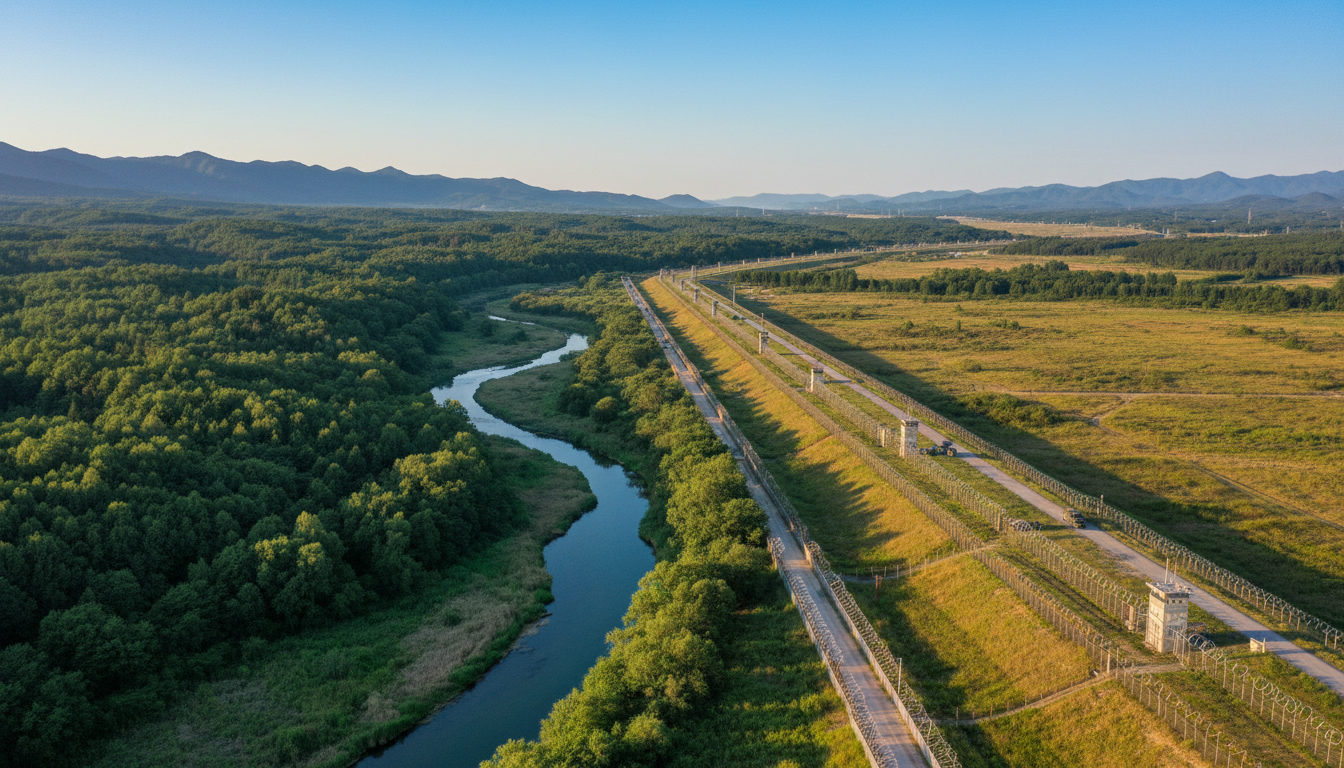
In short, what you'll discover in this article: Explore the fascinating dmz south korea, its historical roots, key sites like the Joint Security Area, and practical tips for visiting. Learn how to stay connected with the best eSIM options during your trip to this unique geopolitical hotspot.
1. Introduction — What Is the DMZ in South Korea?
The dmz south korea, also known as the Korean Demilitarized Zone, is a heavily fortified buffer zone that separates North and South Korea. Established after the Korean War armistice in 1953, it stretches approximately 160 miles long and 2.5 miles wide, serving as a physical and symbolic boundary between the two nations.
Despite its tense military presence, the DMZ has become a unique destination for travelers interested in history, geopolitics, and nature.
This zone includes significant landmarks such as Panmunjom, where the Joint Security Area (JSA) lies, allowing visitors a rare glimpse into one of the most heavily guarded borders in the world. Understanding what makes the DMZ so important helps appreciate its role beyond just a military boundary.
2. Historical Context
2.1 The Korean War and the 1953 Armistice
The DMZ was created as part of the armistice agreement that ended active fighting in the Korean War. The war itself began in 1950 when North Korean forces invaded South Korea, leading to a brutal conflict involving multiple countries.
The armistice signed in 1953 established this demilitarized zone to prevent further hostilities, effectively freezing the conflict without a formal peace treaty.
2.2 Political Evolution and Major Incidents
Since its establishment, the DMZ has witnessed numerous political tensions and incidents, including infiltration attempts and diplomatic negotiations. It remains a symbol of division but also of hope for eventual reunification.
Over time, various agreements have allowed limited civilian access to certain areas, making tours possible under strict regulations.
3. Geography and Features of the DMZ
3.1 Dimensions, Buffer Zones, and Military Lines
The DMZ spans roughly 160 miles from east to west and is about 2.5 miles wide. It contains several buffer zones: a no-man’s land between military lines where civilian access is prohibited.
The central feature is the Military Demarcation Line (MDL), which marks the official border between North and South Korea.
3.2 Maps and Key Landmarks (Panmunjom, Dora, Imjingak, Dorasan)
Several notable sites within or near the DMZ include:
- Panmunjom: The location of the Joint Security Area, where diplomatic talks occur.
- Dora Observatory: Offers views across to North Korea.
- Imjingak Park: A symbolic area commemorating division.
- Dorasan Station: The northernmost train station on South Korea’s side, symbolizing hopes for future reunification.
These landmarks provide visitors with historical context and visual access to this restricted border area.
4. Main Sites to Visit
4.1 Joint Security Area (Panmunjom) — What to See and Rules to Follow
The Joint Security Area is arguably the most famous part of the DMZ. Visitors can see blue conference buildings straddling the border line where North and South Korean soldiers stand face-to-face.
Tours here are tightly controlled; visitors must follow strict rules such as no photography in certain areas and maintaining respectful behavior at all times.
4.2 The Third Tunnel and Other Discovered Tunnels
One of four known infiltration tunnels dug by North Korea under the DMZ is open for tours—the Third Tunnel. Discovered in 1978, it was intended for surprise attacks but was stopped by South Korean forces.
Walking through this tunnel offers a tangible sense of Cold War tensions.
4.3 Observatories and Viewpoints (Dora Observatory, Imjingak)
The Dora Observatory allows visitors to peer into North Korean territory with binoculars provided on-site. Nearby Imjingak Park offers additional viewpoints and monuments related to Korean division and peace efforts.
5. How to Visit the DMZ — Practical Guide
5.1 Types of Tours (From Seoul, Private vs Official)
Most visitors join guided tours departing from Seoul that include transportation to key sites like Panmunjom and Dora Observatory. Options range from official government-sanctioned tours to private operators offering more personalized experiences.
5.2 Booking, Prices, Required Documents & Restrictions (Age, Passport)
Booking in advance is essential due to limited daily visitor numbers and security checks. Tour prices vary but typically include transportation and entry fees.
Visitors must carry valid passports; some tours have age restrictions or require prior approval from authorities.
5.3 Safety, Codes of Conduct & Prohibited Activities
Safety is paramount when visiting the DMZ. Visitors must adhere to strict codes of conduct such as no loud noises or sudden movements near military personnel, no photography in restricted zones, and following guides’ instructions at all times.
6. Unique Experiences and Perspectives
6.1 Wildlife Observation and Ecotourism
Surprisingly, the DMZ has become an unintended wildlife sanctuary due to limited human activity over decades. Rare species like cranes and Asiatic black bears inhabit this area, making it an intriguing spot for nature lovers interested in ecotourism alongside historical exploration.
6.2 Virtual Tours and Multimedia Resources
For those unable to visit physically or seeking deeper understanding beforehand, virtual tours offer immersive experiences of key sites within the DMZ using videos and interactive maps available online.
7. Suggested Itineraries and Day Trip Ideas
Planning a day trip from Seoul can include:
- Morning visit to Imjingak Park.
- Tour of Panmunjom (Joint Security Area).
- Exploration of the Third Tunnel.
- Afternoon at Dora Observatory.
- Optional visit to Dorasan Station on return.
This itinerary balances historical insight with scenic views while respecting tour schedules.
8. Conclusion — Geopolitical Importance and Final Tips
The dmz south korea remains one of the most powerful symbols of Cold War division yet also a hopeful site for peace efforts between North and South Korea. Visiting offers not only historical education but also unique natural beauty rarely found elsewhere on Earth’s most fortified borders.
To stay connected during your trip around Seoul or while visiting these remote areas near the North Korea border, consider securing an eSIM plan tailored for South Korea before you travel—this ensures seamless internet access without roaming fees or SIM swaps (learn how to get an eSIM in South Korea).
For travelers seeking reliable connectivity combined with affordable data plans during their visit to this historic region, exploring options on MyBestSim can help find top providers offering discounts with promo codes like MYBESTSIM for unlimited data plans.
For more detailed insights about touring options or connectivity solutions while exploring South Korea’s unique destinations like Busan or Seoul city center beyond your DMZ visit, check out related guides on best eSIM South Korea or eSIM South Korea.
FAQ
What is the purpose of the DMZ in South Korea?
The DMZ serves as a buffer zone established after the Korean War armistice in 1953 to separate North and South Korea. It prevents military conflict by creating a heavily fortified boundary while symbolizing the ongoing division between the two nations.
Which key sites can visitors explore in the DMZ?
Visitors can explore notable sites like the Joint Security Area at Panmunjom, the Third Tunnel, Dora Observatory, Imjingak Park, and Dorasan Station. These locations offer historical insights and views into North Korea under strict tour regulations.
How can tourists book a DMZ tour from Seoul?
Tourists can book official or private guided tours departing from Seoul, which include transportation and entry to main sites. Advance booking is essential due to limited visitor numbers, and travelers must carry valid passports and comply with age or approval requirements.
What safety rules must visitors follow in the DMZ?
Visitors must adhere to strict safety protocols such as no photography in restricted areas, maintaining respectful behavior near military personnel, avoiding loud noises or sudden movements, and following all guide instructions to ensure a secure visit.
Why is the DMZ considered a unique wildlife sanctuary?
Due to limited human activity over decades, the DMZ has become an unintended refuge for rare species like cranes and Asiatic black bears. This makes it an intriguing spot for ecotourism alongside its historical and geopolitical significance.

Jiwon Park
Jiwon is a Seoul-based travel and technology writer who has tested eSIMs across South Korea and Asia. At Korea eSIM she compares travel data plans on SK Telecom, KT and LG U+ and helps visitors stay online affordably from Seoul to Jeju.