Understanding Religion in South Korea and Its Cultural Impact
8/1/2026
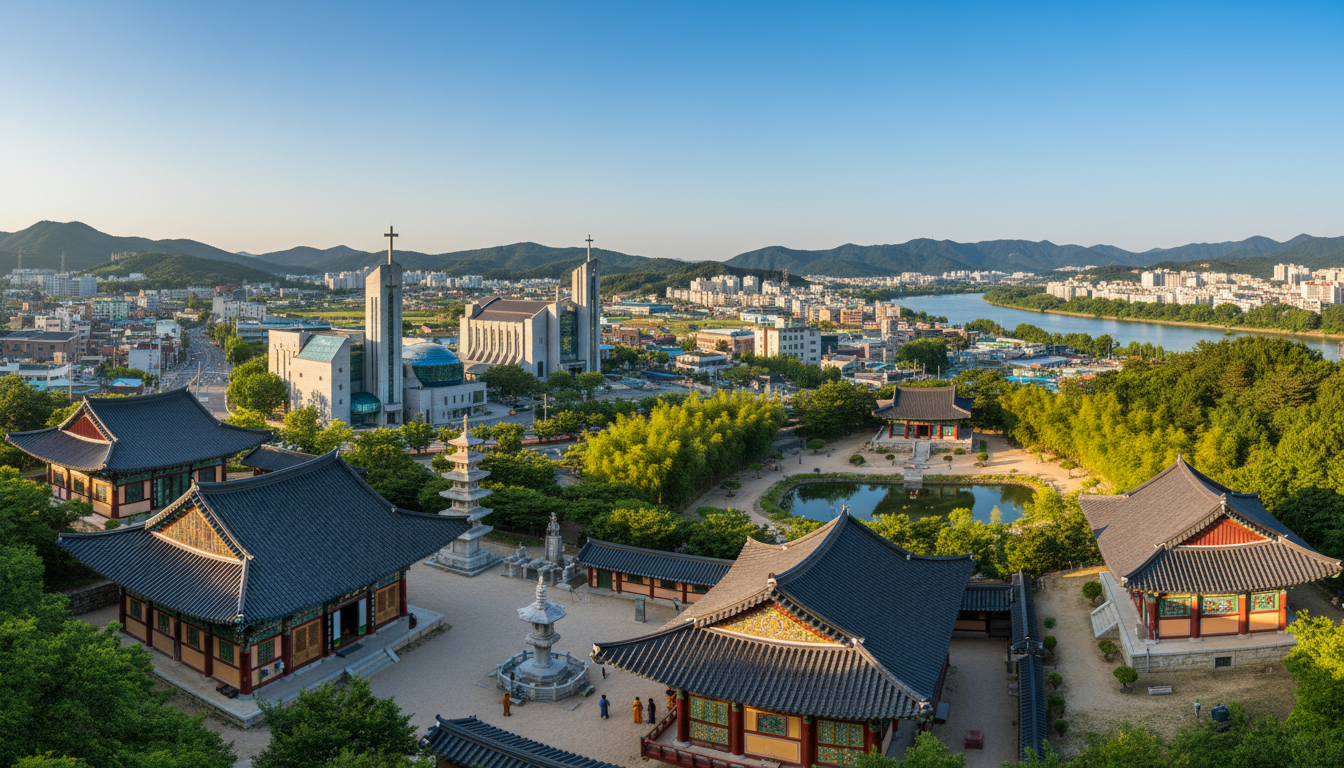
In short, what you'll discover in this article: Explore the rich and diverse religion in South Korea, from major faiths like Buddhism and Christianity to traditional shamanism. Understand how religion shapes culture, politics, and daily life, helping you prepare respectfully for your trip.
1. Introduction — Why "Religion in South Korea" Is an Important Topic
Understanding the religion in South Korea is essential for grasping the country's cultural fabric and social norms. Religion influences holidays, customs, politics, and education, making it a key factor for travelers who want to engage respectfully with local traditions.
South Korea’s unique religious landscape blends ancient beliefs with modern faiths, reflecting its dynamic history and society.
2. Overview of Religious Demographics and Trends
2.1 Recent Statistics on Religious Affiliations
South Korea’s religious demographics reveal a complex picture:
- About 51% of the population identifies as having no religion.
- Protestant Christians make up roughly 20%.
- Catholics account for around 11%.
- Buddhists represent approximately 16%.
- Other religions, including traditional beliefs and new movements, make up about 1%.
These figures highlight a significant secular segment alongside vibrant religious communities (source).
2.2 Historical Evolution of Religious Affiliations
Historically, Korean spirituality was dominated by Confucianism and Buddhism, with shamanistic practices deeply rooted in rural life. Christianity arrived in the late 18th century and grew rapidly during the 20th century, especially after the Korean War.
The rise of Protestantism and Catholicism reflects both Western influence and local adaptation. Meanwhile, secularization trends have increased, particularly among younger generations.
3. The Major Religions Today
3.1 Christianity in South Korea: Protestantism and Catholicism
Christianity is one of the most influential religions in South Korea today. Protestantism accounts for about 20% of the population, while Catholicism represents around 11%.
Both branches have shaped social values and political discourse significantly.
- Protestant churches tend to be conservative and active in community services.
- Catholicism has a strong presence in education and healthcare.
- Christianity’s growth accelerated post-Korean War due to missionary work and social change.
Christian festivals like Christmas are widely celebrated, blending religious meaning with cultural festivities.
3.2 Buddhism: History, Monastic Life, and Contemporary Practice
Buddhism has been present in Korea since the 4th century and remains a vital spiritual tradition for about 16% of South Koreans. It emphasizes meditation, monastic discipline, and rituals that mark important life events.
- Many temples serve as cultural heritage sites.
- Buddhist monks play roles in education and social welfare.
- Contemporary practice often combines traditional rituals with modern lifestyles.
Buddhism’s influence extends beyond religion into art, philosophy, and national identity.
3.3 Korean Shamanism (Muism): Beliefs, Rituals, Resurgence
Traditional Korean shamanism, known as Muism, involves spirit worship and ritual ceremonies performed by shamans (mudang). Though historically marginalized by dominant religions:
- It persists strongly in rural areas.
- There has been a recent resurgence among urban youth seeking spiritual alternatives.
- Rituals often focus on healing, fortune-telling, and community bonding.
This indigenous faith reflects Korea’s deep connection to nature and ancestral spirits.
3.4 No Religion / Atheism: Growth and Demographic Characteristics
Over half of South Koreans identify as having no religion. This secular group is growing due to:
- Increasing urbanization.
- Higher education levels.
- Younger generations’ preference for spirituality outside organized religion.
This trend challenges traditional religious institutions but also opens space for new spiritual movements.
4. New Religious Movements and Controversies
4.1 Case Study: Shincheonji — History, Controversy, COVID Impact
Shincheonji is a new religious movement founded in the 1980s that gained notoriety during the COVID-19 pandemic when it was linked to a major outbreak cluster.
- It claims millions of followers worldwide.
- Critics accuse it of secretive recruitment tactics.
- The government scrutinized its activities amid public health concerns.
Shincheonji exemplifies tensions between religious freedom and public safety.
4.2 Other New Groups and Sectarian Issues
Besides Shincheonji, South Korea hosts various smaller new religious movements that sometimes face accusations of sectarianism or cult-like behavior. These groups often blend Christian elements with Korean traditions or new spiritual ideas.
5. Religion and Society in South Korea
5.1 Cultural Influence and Religious Holidays
Religion shapes many cultural aspects:
- Major holidays like Buddha’s Birthday are national celebrations.
- Christian holidays such as Christmas are widely observed.
- Confucian values influence family rituals like ancestor worship.
These observances foster social cohesion across diverse beliefs.
5.2 Religion and Politics: Role in Elections and Public Debates
Religious groups actively participate in politics:
- Christian organizations often advocate conservative policies.
- Buddhist leaders promote peace initiatives.
- Religious values influence debates on education, human rights, and social welfare.
Understanding this interplay helps travelers appreciate local perspectives on governance.
5.3 Education, Health Care, and Social Action by Religious Groups
Many churches and temples run schools, hospitals, and charities:
- Christian missions established some of South Korea’s top universities.
- Buddhist temples provide mental health support through meditation programs.
- Religious organizations contribute significantly to disaster relief efforts.
Their social role extends beyond worship into community development.
6. Legal Framework and Religious Freedom
6.1 Constitution, Laws, and Notable Court Cases
South Korea’s constitution guarantees freedom of religion while maintaining separation between church and state. Legal protections include:
- Right to practice any religion or none at all.
- Prohibition against discrimination based on faith.
- Judicial rulings balancing religious rights with public order concerns.
This framework supports a pluralistic society but occasionally faces challenges from controversial groups.
6.2 Tensions Between Religious Freedom and Public Safety
Cases like Shincheonji’s COVID outbreak highlight conflicts between protecting religious liberty and ensuring public health or security. Authorities sometimes impose restrictions during emergencies while respecting constitutional rights as much as possible.
7. Demographic and Regional Variations
7.1 Differences by Age, Gender, Urban vs Rural Areas
Religious affiliation varies across demographics:
- Older generations tend to be more religious.
- Women are generally more active in church participation.
- Urban areas show higher rates of secularization compared to rural regions where Buddhism or shamanism remain strong.
These patterns reflect broader social changes within South Korea.
7.2 Religion Among Immigrants and the Diaspora
South Korea’s growing immigrant population brings additional religious diversity:
- Christianity is common among foreign workers from Southeast Asia.
- International communities maintain their faith traditions while integrating locally.
This adds complexity to the country’s evolving religious landscape.
8. Future Trends and Conclusions
8.1 Secularization Versus Alternative Spiritualities
South Korea faces ongoing tension between increasing secularization and interest in alternative spiritualities like Muism or new religious movements. This dynamic shapes cultural identity in unpredictable ways.
8.2 Recommendations for Research and Data Sources
For deeper understanding:
- Consult government surveys on religious demographics.
- Explore academic studies on Korean spirituality.
- Follow news on legal cases involving religion for current context.
Reliable data helps travelers appreciate how religion continues to influence South Korean society profoundly.
9. Conclusion
Religion in South Korea offers a fascinating window into its culture, history, and social values. From Buddhism’s ancient roots to Christianity’s modern impact—and the enduring presence of shamanistic traditions—religion shapes everyday life profoundly.
As you prepare for your trip, embracing this knowledge will enrich your experience with respectfulness and insight.
For travelers interested in staying connected while exploring South Korea's diverse culture influenced by religion, consider checking out detailed guides on how to get eSIM in South Korea or compare data plans tailored for visitors at eSIM South Korea. These resources help you stay online seamlessly from Seoul to Busan without roaming fees.
Key Takeaways:
- South Korea’s religious landscape is diverse: over half identify as non-religious but major faiths like Christianity (Protestant & Catholic) and Buddhism remain influential.
- Traditional Korean shamanism persists alongside modern religions with renewed interest among younger people.
- New religious movements such as Shincheonji have sparked controversy but highlight ongoing changes in spiritual life.
- Religion impacts culture deeply through holidays, politics, education, healthcare, and social services.
By understanding these facets of religion in South Korea, you’ll be better prepared to appreciate local customs during your visit.
Note: For travelers looking for affordable connectivity options during their stay in South Korea—especially if planning visits to culturally rich areas like Seoul—consider eSIM providers ranked highly by MyBestSim such as Orange Travel (with a -5% promo code MYBESTSIM) or Saily offering unlimited plans with discounts up to -10%. These options ensure you remain connected while immersing yourself respectfully into South Korean society (source).
FAQ
What are the main religions in South Korea today?
The main religions in South Korea include Protestant Christianity (about 20%), Catholicism (around 11%), Buddhism (approximately 16%), and traditional Korean shamanism. Over half the population identifies as non-religious, reflecting a significant secular trend alongside these faiths.
How does religion influence South Korean culture and holidays?
Religion shapes many cultural practices and holidays in South Korea. For example, Buddha’s Birthday is a national celebration, and Christian holidays like Christmas are widely observed. Confucian values also influence family rituals such as ancestor worship, fostering social cohesion.
Why is Korean shamanism experiencing a resurgence?
Korean shamanism, or Muism, is seeing renewed interest especially among urban youth seeking alternative spiritual experiences. Despite historical marginalization, its rituals focusing on healing and community bonding connect people to nature and ancestral spirits, maintaining its cultural relevance.
What role do religious groups play in South Korean society?
Religious groups in South Korea contribute beyond worship by running schools, hospitals, and charities. Christian missions have founded top universities, Buddhist temples offer meditation and mental health support, and many religious organizations actively participate in disaster relief and social welfare.
How does South Korea balance religious freedom with public safety?
South Korea’s constitution guarantees religious freedom while ensuring public safety. Authorities sometimes impose restrictions during emergencies, like the COVID-19 outbreak linked to Shincheonji, but strive to respect constitutional rights, balancing individual liberties with community health concerns.

Jiwon Park
Jiwon is a Seoul-based travel and technology writer who has tested eSIMs across South Korea and Asia. At Korea eSIM she compares travel data plans on SK Telecom, KT and LG U+ and helps visitors stay online affordably from Seoul to Jeju.