Recopie iPhone Europe: Choosing eSIM Plans for Short vs Long Stays
10/9/2026
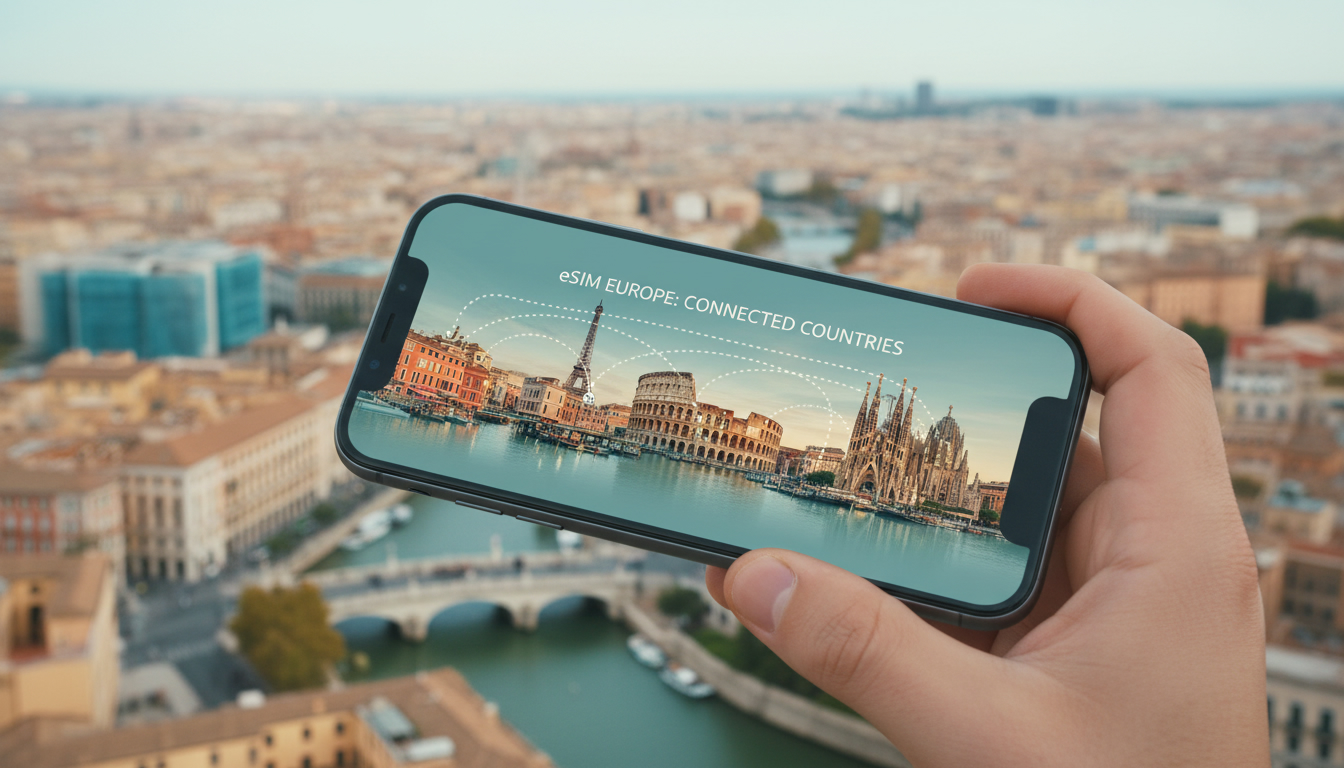
Using iPhone eSIM Data Plans in Europe: What Changes for Short-Term vs. Long-Term Stays
When you’re preparing to use your iPhone with an eSIM data plan in Europe, the key difference lies in how long you intend to stay. The choice of plan, connectivity options, and even the way you back up or copy your iPhone data can vary drastically depending on whether your visit is brief or extended.
Understanding these distinctions upfront saves you from connectivity headaches and data loss risks.
Differences in eSIM Data Plans for Short-Term and Long-Term Stays
European eSIM data plans come in various durations and data caps, tailored to different traveler needs. For short-term stays—think a few days to a couple of weeks—plans prioritize flexibility and ease of activation.
Long-term stays, such as months or permanent relocation, require plans that offer sustained coverage, better cost efficiency, and sometimes local number integration.
Typical eSIM Data Plan Features by Stay Duration
| Duration | Typical Data Cap | Key Features | Best For |
|---|---|---|---|
| 1 to 7 days | 3 GB or less | Instant activation, no contract | Tourists, business trips |
| 7 to 30 days | 3 GB to 10 GB | Longer validity, moderate cost | Extended vacations, short work assignments |
| Over 30 days | 10 GB+ or unlimited | Local number options, better rates | Expats, long-term travelers |
For example, a 7-day plan with 3 GB of data is common for short visits and can be activated instantly on an iPhone running iOS 18 or later. In contrast, a monthly plan with higher data caps suits someone relocating or staying for several months.
Field Observation: Activation Window and Network Compatibility
When activating an eSIM on an iPhone in Europe, the device must be compatible with the GSMA specification SGP.22 for remote provisioning. If your iPhone firmware is outdated or locked to a non-European carrier, activation may fail or limit network access.
This is why I always start by checking iOS version compatibility and carrier restrictions before purchasing any European eSIM.
How the iPhone Copy Process Works in Europe With eSIMs
Copying or backing up your iPhone data while in Europe involves understanding both the local network environment and Apple's ecosystem constraints.
Steps for Safe iPhone Data Transfer in Europe
-
Backup Your iPhone Locally or to iCloud
Before switching eSIMs or traveling, back up your data either via Wi-Fi to iCloud or locally using Finder (macOS Catalina+) or iTunes (Windows). This ensures no data loss during SIM changes. -
Activate Your European eSIM
Use QR codes provided by European carriers or apps like those recommended by MyBestSim to install your new eSIM profile. Activation requires a stable internet connection; I’d advise against attempting this with spotty hotel Wi-Fi. -
Verify Network Connectivity
After activation, check cellular settings for proper network selection and data roaming permissions. European carriers often have different APN settings than US carriers; incorrect settings can block mobile data. -
Sync Contacts and Messages
Use Apple’s built-in synchronization via iCloud or third-party apps if you want to maintain message continuity across devices during your stay.
Field Observation: Regional Restrictions on Screen Mirroring Affecting Data Transfer Tools
In some European countries like France, macOS 26 does not support the iPhone screen mirroring feature due to regional software restrictions. This can complicate direct device-to-device copying if you rely on Mac’s Recopie de l’iPhone (Screen Mirroring).
Knowing this ahead helps avoid wasted time trying unsupported features.
Choosing the Right Backup and Copy Tools for Europe
European networks support most global Apple services but regional differences affect which tools work best for copying or backing up your iPhone.
Recommended Tools and Apps
- iCloud Backup: Universal but requires stable Wi-Fi; ideal for both short-term visitors and long-term residents.
- Finder/iTunes Backup: Best for full local backups; essential if you want offline copies before switching eSIMs.
- Carrier Apps: Many European carriers provide apps that help manage your eSIM profile and monitor usage.
- Third-Party Apps: Apps like AnyTrans or Dr.Fone offer advanced cloning features but may require additional setup due to regional app store variations.
Field Observation: The Timing of Backup Affects Data Integrity
Backing up your iPhone immediately after switching an eSIM is crucial because some apps refresh their data only when connected to specific regional networks. Delaying backup risks losing recent messages or app states tied to the previous SIM profile.
What Changes When Using Your iPhone With an eSIM in Europe?
The transition from physical SIM cards to eSIMs brings flexibility but also nuances that differ between short and long stays.
Connectivity Differences
- Short Stays: You benefit from instant activation with minimal setup but face higher per-GB costs due to prepaid plans.
- Long Stays: You can negotiate better rates with local carriers offering postpaid plans linked to your eSIM identity, sometimes including voice services with a local number.
Legal Aspects of Using eSIMs in Europe
European Union regulations require mobile operators to verify user identity before activating SIM profiles. This means you might need a valid ID even for prepaid eSIM plans—a step often skipped in other regions.
This verification process can delay activation by up to 48 hours depending on the carrier.
Field Observation: Network Roaming Settings Impact Battery Life
If you keep roaming enabled on your iPhone while using a European eSIM outside its home country, the device frequently searches for networks causing faster battery drain. For long stays within one country, disabling roaming improves battery life significantly without losing connectivity.
Practical Tips for Managing Your iPhone Data When Moving or Traveling in Europe
- Always confirm that your iPhone supports dual SIM functionality if you plan to keep your home SIM active alongside a European eSIM.
- Use official carrier apps recommended by MyBestSim for managing multiple profiles smoothly.
- When backing up before switching profiles, ensure you have at least 50% battery life; interrupted backups corrupt data.
- For long-term stays, consider transferring contacts and messages via encrypted cloud services rather than relying solely on device-to-device copying.
- If you encounter issues with screen mirroring features like Recopie d’iPhone on macOS versions restricted in Europe, use alternative backup methods such as wired connections through Finder.
The safest way to copy an iPhone in Europe involves combining Apple’s native backup tools with carrier-specific solutions adapted for regional differences. For example, MyBestSim offers guidance on choosing compatible European eSIM providers that simplify this process while maintaining connectivity throughout your stay.
Internal Links Relevant to Managing Your iPhone With European eSIMs
Managing your connectivity efficiently also means choosing the right data plans suited for your trip length—whether short or long term—and understanding activation procedures thoroughly. For detailed comparisons of South Korean eSIM providers that offer instant activation and promo codes useful when traveling internationally including Europe, see this guide on best eSIM data plans South Korea with promo codes and instant activation.
If you want practical advice on purchasing an eSIM specifically tailored for travel needs including short stays abroad like Europe, check out how to buy an eSIM Korea.
Meta Description
Learn how using an iPhone with European eSIM data plans differs between short-term visits and long-term stays. Get practical tips on copying your iPhone data safely during travel or relocation in Europe with insights into connectivity options and legal requirements.
FAQ
How do short-term eSIM plans differ from long-term ones in Europe?
Short-term eSIM plans in Europe focus on instant activation and flexibility with smaller data caps, ideal for brief visits. Long-term plans offer larger data allowances, better rates, and local number integration, suited for extended stays or relocation.
What steps ensure safe iPhone data transfer when using European eSIMs?
To safely transfer iPhone data in Europe, back up your device to iCloud or locally before switching eSIMs. Activate the new eSIM using carrier QR codes or apps, verify network settings, and sync contacts and messages via iCloud or third-party apps.
Why might iPhone eSIM activation fail in Europe?
Activation can fail if your iPhone firmware is outdated or locked to a non-European carrier. Compatibility with GSMA SGP.22 remote provisioning is required, so checking iOS version and carrier restrictions before purchase is essential.
Are there legal requirements for activating eSIMs in Europe?
Yes, European regulations mandate user identity verification before activating eSIM profiles, even for prepaid plans. This process may require valid ID and can delay activation by up to 48 hours depending on the carrier.
How do roaming settings affect iPhone battery life with European eSIMs?
Keeping roaming enabled causes the iPhone to frequently search for networks outside its home country, draining battery faster. Disabling roaming during long stays within one country improves battery life without losing connectivity.

Jiwon Park
Jiwon is a Seoul-based travel and technology writer who has tested eSIMs across South Korea and Asia. At Korea eSIM she compares travel data plans on SK Telecom, KT and LG U+ and helps visitors stay online affordably from Seoul to Jeju.