Who Is the Pm of South Korea in 2026 and What to Know
8/25/2026
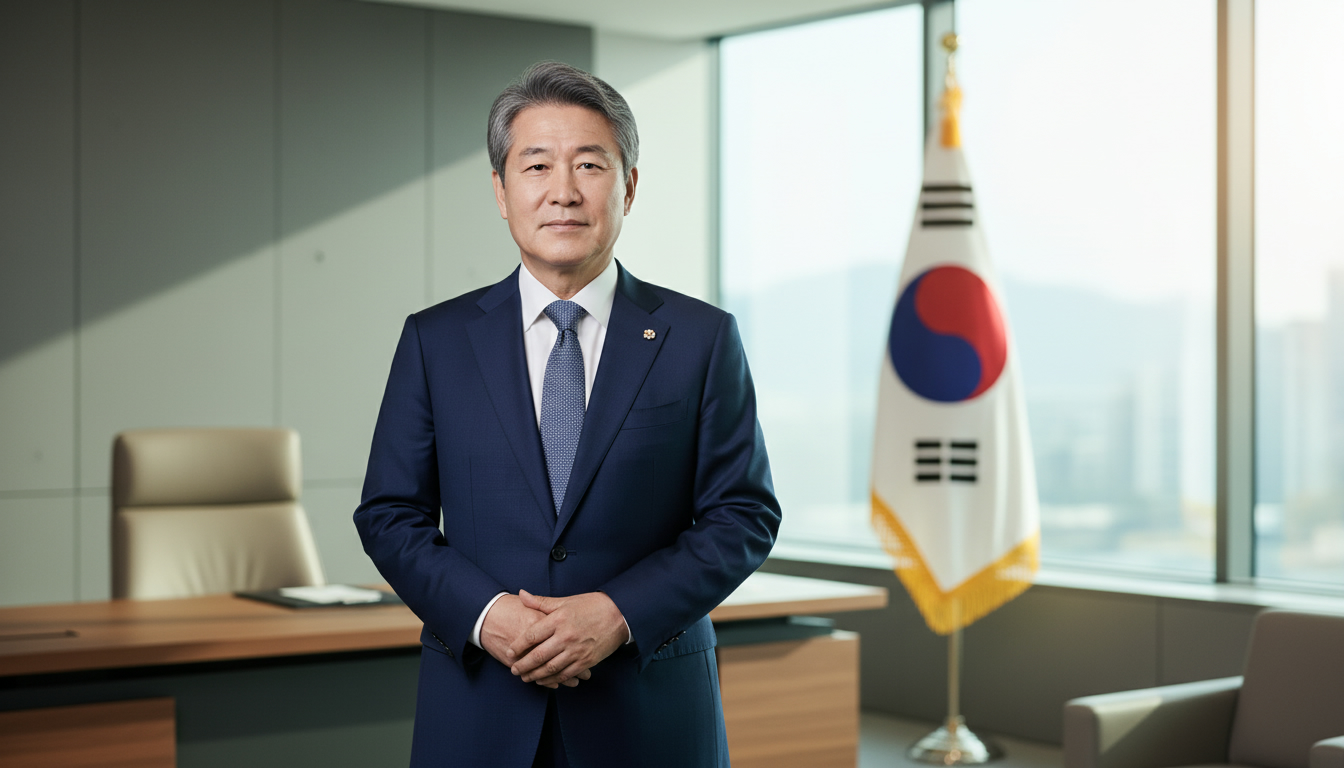
In short, what you'll discover in this article: Learn about the current Prime Minister of South Korea, Han Seong-sook, her political background, and the role she plays in the South Korean government. Understand the appointment process, powers, and recent developments shaping South Korea’s leadership today.
1. Introduction — Overview of the Prime Minister of South Korea
The Prime Minister of South Korea serves as the head of government under the country's presidential system. While the President holds significant executive power, the Prime Minister acts as the principal assistant to the President and oversees daily administrative affairs.
This position is crucial for coordinating government policies and managing cabinet functions within the South Korean political system.
The role has evolved since its establishment in 1948, adapting to changes in South Korea’s democracy and governance structure. The Prime Minister supports the President but does not hold the same level of authority, making their duties distinct yet complementary.
2. Role and Functions of the Prime Minister
2.1 Constitutional Attributions
Constitutionally, the Prime Minister is appointed by the President with approval from the National Assembly. The Prime Minister’s responsibilities include:
- Assisting the President in policy execution
- Supervising ministries and government agencies
- Coordinating administrative tasks across departments
- Acting as a representative of the government domestically and internationally when delegated
The Prime Minister also plays a key role in crisis management and policy implementation but does not have veto power or independent legislative authority.
2.2 Daily Responsibilities and Administrative Duties
On a daily basis, the Prime Minister:
- Oversees cabinet meetings and ensures smooth government operations
- Monitors progress on national projects and reforms
- Manages inter-ministerial coordination
- Addresses public concerns related to government services
This hands-on management role makes the Prime Minister essential for effective governance.
2.3 Differences with the Role of the President
Unlike many parliamentary systems where the Prime Minister is head of government, South Korea’s President holds executive supremacy. The President sets major policy directions and represents South Korea internationally.
The Prime Minister supports these initiatives but primarily focuses on administrative leadership rather than political decision-making.
3. Appointment Process and Removal Procedures
3.1 Constitutional and Parliamentary Procedure
The appointment of the Prime Minister follows a constitutional process:
- The President nominates a candidate for Prime Minister
- The National Assembly votes to approve or reject the nominee
- Upon approval, the nominee officially assumes office
This process ensures legislative oversight while respecting presidential prerogative.
3.2 Approval Votes and Motions of No Confidence
The National Assembly can express disapproval through motions of no confidence or censure against the Prime Minister or cabinet members. If such motions pass, it may lead to resignation or dismissal, maintaining checks and balances within South Korea’s political system.
4. The Current Prime Minister
4.1 Biography and Political Career
Han Seong-sook became South Korea’s current Prime Minister on June 30, 2026, after being appointed by President Lee Jae Myung. She is notably South Korea’s first female prime minister in over two decades, marking a significant milestone in gender representation at high government levels.
Before her appointment, Han served as Minister for Small and Midsize Businesses and Startups, where she championed innovation-driven economic policies supporting entrepreneurship and SMEs.
4.2 Political Priorities and Agenda
Prime Minister Han’s agenda focuses on:
- Strengthening small business growth and startup ecosystems
- Enhancing economic resilience amid global uncertainties
- Promoting social equity through inclusive policies
- Supporting technological advancement and digital transformation
Her leadership style emphasizes collaboration with both government agencies and private sectors to drive sustainable development.
5. Recent Prime Ministers — Timeline and Key Events
South Korea has seen various prime ministers since its First Republic in 1948. Recent leaders have faced challenges such as economic crises, diplomatic tensions with North Korea, and domestic political reforms.
Notable events include:
- Leadership during inter-Korean summits
- Economic recovery efforts post-global recessions
- Navigating international trade agreements
Understanding this timeline helps contextualize current political dynamics under Han Seong-sook’s administration.
6. Political Powers and Institutional Relations
6.1 Relationship with the President and Cabinet
The Prime Minister works closely with President Lee Jae Myung, coordinating cabinet activities to implement presidential policies efficiently. While subordinate to the President, Han Seong-sook holds significant influence over administrative matters and policy execution within her portfolio.
6.2 Influence in Parliament and Coalition Building
Though not a member of Parliament, the Prime Minister must maintain good relations with lawmakers to secure support for government initiatives. This involves negotiation skills to build coalitions that facilitate smooth legislative processes.
7. Key Policies and Achievements
7.1 Domestic Policy: Economy, Employment, Health
Prime Minister Han has prioritized boosting small businesses as engines of job creation while addressing public health challenges through improved healthcare infrastructure.
7.2 Foreign Policy: Relations with North Korea, USA, China, Japan
While foreign affairs are primarily managed by the President, Han supports diplomatic efforts aimed at regional stability—especially regarding North Korean denuclearization talks—and strengthening alliances with key partners like the United States, China, and Japan.
8. Controversies and Challenges
8.1 Scandals, Investigations, No-confidence Motions
So far, Han Seong-sook's tenure has been relatively free from major scandals or motions of no confidence; however, ongoing scrutiny remains part of her political environment given South Korea’s dynamic political landscape.
8.2 Crisis Management by the Prime Minister
Han has actively participated in managing economic uncertainties caused by global supply chain disruptions and domestic challenges related to pandemic recovery efforts.
9. International Comparison — Role of PM in South Korea vs Other Democracies
Unlike parliamentary democracies where prime ministers are heads of government with broad executive powers (e.g., UK or Canada), South Korea’s prime minister functions more as an administrative leader under a strong presidency similar to systems like France but with less autonomy.
This hybrid model reflects South Korea’s unique political evolution balancing presidential authority with parliamentary oversight.
10. Conclusion
The Prime Minister of South Korea plays a vital role in supporting presidential leadership through administrative coordination and policy implementation. Han Seong-sook’s appointment marks a historic moment reflecting progress in gender representation while focusing on economic innovation and social inclusion.
For those interested in current developments or traveling to South Korea, understanding this leadership helps contextualize news headlines about government decisions or reforms.
If you’re planning your trip or stay in South Korea, consider checking out detailed guides on eSIM South Korea for seamless connectivity during your visit or explore how to get eSIM in South Korea for practical tips on staying online without roaming fees.
References: For more detailed official information about Han Seong-sook’s appointment as prime minister, see Prime Minister of South Korea - Wikipedia and recent news coverage such as South Korea nominates Han Seongsook.
FAQ
Who is the current Prime Minister of South Korea?
The current Prime Minister of South Korea is Han Seong-sook, appointed on June 30, 2026. She is the first female prime minister in over twenty years and previously served as Minister for Small and Midsize Businesses and Startups.
What are the main duties of South Korea’s Prime Minister?
The Prime Minister assists the President by overseeing daily government operations, coordinating ministries, managing cabinet meetings, and implementing policies. They focus on administrative leadership rather than setting major political directions.
How is the Prime Minister of South Korea appointed?
The President nominates a candidate for Prime Minister, who must then be approved by the National Assembly. Once approved, the nominee officially assumes office, ensuring both executive nomination and legislative oversight.
What distinguishes the Prime Minister from the President in South Korea?
Unlike parliamentary systems, South Korea’s President holds executive supremacy and sets major policies. The Prime Minister supports the President by managing administrative tasks but does not have independent legislative or veto powers.
What are Prime Minister Han Seong-sook’s key political priorities?
Han Seong-sook focuses on strengthening small businesses and startups, enhancing economic resilience, promoting social equity, and advancing digital transformation. Her leadership emphasizes collaboration between government and private sectors.

Jiwon Park
Jiwon is a Seoul-based travel and technology writer who has tested eSIMs across South Korea and Asia. At Korea eSIM she compares travel data plans on SK Telecom, KT and LG U+ and helps visitors stay online affordably from Seoul to Jeju.