Best eSIM Data Plans for South Korea Travelers in 2026
7/23/2026
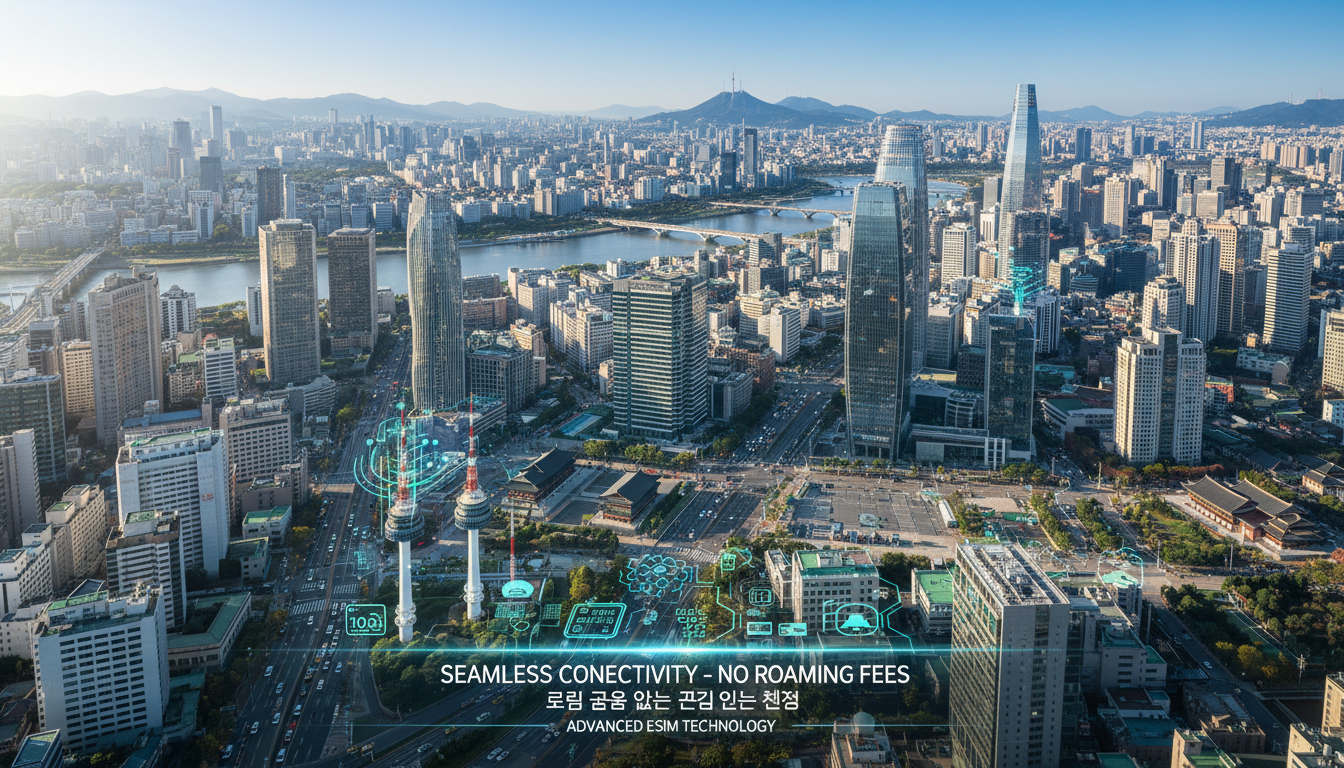
In short, what you'll discover in this article: Explore the essential aspects of South Korea, from its rich history and vibrant culture to its advanced technology and stunning geography. Gain practical insights for your trip, including must-see destinations and tips to stay connected with the best eSIM data plans.
1. Quick Introduction — Why "of South Korea"
The phrase of South Korea captures the essence of a nation that blends ancient traditions with cutting-edge innovation. Known for its dynamic cities like Seoul and Busan, South Korea offers travelers a unique blend of cultural heritage, modern lifestyle, and technological advancements.
Understanding the key facts about this country will enrich your travel experience and help you navigate its diverse offerings.
2. Quick Facts
- Area: Approximately 100,363 square kilometers
- Population: Around 52 million people
- Capital: Seoul
- Official Language: Korean
- Currency: South Korean Won (KRW)
- Flag: The Taegeukgi features a yin-yang symbol with four trigrams representing balance and harmony
These facts provide a snapshot of South Korea’s identity and set the foundation for deeper exploration into its culture and society.
3. Historical Context
3.1 Ancient History and Key Dynasties
South Korea’s history dates back thousands of years, marked by influential dynasties such as Goguryeo, Baekje, and Silla. These kingdoms laid the groundwork for Korean culture, language, and governance.
The Joseon Dynasty (1392–1897) is particularly notable for establishing Confucian principles that still influence Korean society today.
3.2 Modern Period and Peninsula Division
The 20th century brought dramatic changes with Japanese colonization (1910–1945), followed by liberation after World War II. The peninsula was divided into North and South Korea in 1948, leading to the Korean War (1950–1953), which solidified this separation.
South Korea embarked on rapid industrialization and democratization in the decades that followed.
3.3 Recent Developments (20th–21st Century)
Since the late 20th century, South Korea has emerged as a global economic powerhouse with advances in technology, education, and culture. Hosting events like the 2018 Winter Olympics showcased its international presence.
The country continues to navigate complex relations with North Korea while fostering innovation domestically.
4. Geography and Climate
4.1 Main Regions and Terrain
South Korea occupies the southern half of the Korean Peninsula, featuring mountainous terrain with fertile plains along the west coast. Major regions include:
- Seoul Capital Area: The political and economic hub
- Busan: A major port city on the southeast coast
- Jeju Island: A volcanic island known for natural beauty
The varied landscape supports diverse ecosystems and outdoor activities.
4.2 Climate and Seasons
South Korea experiences four distinct seasons:
- Spring: Mild temperatures with cherry blossoms
- Summer: Hot and humid, monsoon rains common
- Autumn: Cool weather with vibrant foliage
- Winter: Cold with snowfall in northern regions
These seasonal changes affect tourism patterns and agricultural cycles significantly.
5. Politics and Governance
5.1 Political System and Institutions
South Korea is a democratic republic with a president serving as head of state and government. The National Assembly is the legislative body, while an independent judiciary ensures rule of law.
Local governments manage regional affairs within a framework of national policies.
5.2 International Relations
South Korea maintains strategic alliances primarily with the United States while managing complex relationships with neighboring China, Japan, and North Korea. Diplomatic efforts focus on security cooperation, trade partnerships, and regional stability.
6. Economy and Key Sectors
6.1 Technology Industry (Semiconductors, Electronics)
South Korea is a global leader in technology manufacturing, especially semiconductors produced by giants like Samsung and SK Hynix. Electronics innovation drives exports and domestic growth.
6.2 Automotive, Shipbuilding, and Other Major Industries
The automotive sector includes brands such as Hyundai and Kia, while shipbuilding remains vital through companies like Hyundai Heavy Industries. Other important sectors are petrochemicals, steel production, and renewable energy development.
6.3 Role of Chaebols and SMEs/Start-ups
Large family-owned conglomerates called chaebols dominate much of the economy but coexist alongside a vibrant small-to-medium enterprise (SME) sector and an emerging start-up ecosystem fostering innovation.
7. Society and Demographics
7.1 Demographic Composition and Trends
South Korea faces demographic challenges including an aging population and low birth rates that impact labor markets and social services.
7.2 Education System and Labor Market
Education is highly valued with rigorous schooling systems producing skilled workers who drive economic competitiveness. The labor market emphasizes technology skills but also grapples with youth unemployment issues.
8. Culture and Daily Life
8.1 Music, Cinema, and Pop Culture (K-pop, K-drama, Webtoons)
South Korea’s cultural exports like K-pop bands (BTS), K-dramas, and digital comics (webtoons) have gained worldwide popularity influencing global entertainment trends.
8.2 Language and Writing (Hangul) — Learning Resources
The Korean alphabet Hangul is praised for its scientific design making it easy to learn; numerous online resources support travelers interested in basic language skills.
8.3 Cuisine and Regional Culinary Traditions
Korean cuisine features staples such as kimchi, bibimbap, barbecue dishes, along with regional specialties reflecting local ingredients from coastal to mountainous areas.
9. Technology, Innovation, and Digital Infrastructure
9.1 Infrastructure (5G Networks, Smart Cities)
South Korea boasts some of the fastest internet speeds globally with widespread 5G coverage supporting smart city initiatives that enhance urban living standards.
9.2 Start-up Ecosystem and Research Development
Government-backed programs encourage start-ups in AI, biotech, fintech sectors fostering a culture of innovation alongside established tech firms.
10. Tourism — Must-See Destinations & Authentic Experiences
10.1 Popular Sites (Seoul, Busan, Jeju)
Travelers often visit:
- Seoul: Historic palaces like Gyeongbokgung alongside modern districts like Gangnam
- Busan: Beaches such as Haeundae plus vibrant seafood markets
- Jeju Island: Natural wonders including Hallasan Mountain
These locations offer both urban excitement and natural beauty.
10.2 Lesser-Known Spots & Sustainable Tourism
Exploring places like Andong’s traditional villages or eco-friendly tours promotes sustainable travel while discovering authentic Korean lifestyles beyond typical tourist paths.
11. Contemporary Issues & Future Outlooks
11.1 Environmental Challenges & Energy Transition
South Korea faces air pollution concerns but invests heavily in renewable energy sources aiming for carbon neutrality by mid-century.
11.2 Social Issues (Housing, Healthcare, Inequality)
Rapid urbanization has created housing affordability challenges; meanwhile healthcare access remains robust but social inequality persists as a policy focus area.
12. Practical Guide for Visitors
12.1 Visa Requirements, Health Precautions, Transport & Costs
Most travelers require a visa or visa waiver depending on nationality; public transport is efficient with extensive subway networks; healthcare standards are high but travel insurance is recommended; costs vary by region but are generally affordable for tourists.
12.2 Cultural Tips & Safety Advice
Respecting local customs such as bowing greetings or removing shoes indoors enhances interactions; South Korea is considered safe for tourists though usual precautions apply in crowded places.
For staying connected during your trip without roaming fees or hassle, consider checking out detailed information on the best eSIM data plans for South Korea. This resource offers verified promo codes from providers like Orange Travel or Yesim to help you get instant activation at competitive prices—perfect for seamless mobile internet access across Seoul to Busan.
13. Conclusion: Exploring South Korea With Confidence
South Korea offers an extraordinary blend of history, culture, technology, and natural beauty that makes it an unforgettable travel destination. By understanding its background alongside practical tips such as choosing reliable eSIM data plans from trusted providers featured on MyBestSim’s comparison platform, you can maximize your experience while staying connected effortlessly throughout your journey.
For more detailed guidance on activating your eSIM in South Korea or comparing plans tailored to your needs visit how to get eSIM in South Korea or explore comprehensive eSIM options.
FAQ
What are the must-see destinations in South Korea?
Top destinations include Seoul for historic palaces and modern districts, Busan for beaches and seafood markets, and Jeju Island for natural wonders like Hallasan Mountain. These spots offer a mix of urban excitement and scenic beauty.
How can travelers stay connected with eSIM plans in South Korea?
Travelers can use eSIM data plans from providers like Orange Travel or Yesim, which offer instant activation and competitive prices. These plans avoid roaming fees and provide seamless mobile internet across major cities.
What cultural experiences should visitors explore in South Korea?
Visitors should enjoy K-pop music, K-dramas, traditional cuisine like kimchi and bibimbap, and learn about Hangul, the Korean alphabet. Exploring regional culinary traditions and local customs enhances the travel experience.
What is the best time to visit South Korea considering its climate?
Spring and autumn are ideal due to mild temperatures and beautiful cherry blossoms or vibrant foliage. Summers are hot and humid with monsoon rains, while winters are cold with snowfall mainly in northern areas.
What practical tips help tourists navigate South Korea safely?
Respect local customs such as bowing and removing shoes indoors. Use efficient public transport like subways, carry travel insurance, and stay aware in crowded places. South Korea is generally safe for tourists with high healthcare standards.

Jiwon Park
Jiwon is a Seoul-based travel and technology writer who has tested eSIMs across South Korea and Asia. At Korea eSIM she compares travel data plans on SK Telecom, KT and LG U+ and helps visitors stay online affordably from Seoul to Jeju.